
Meet the Speaker
Domi Stickens, PhD is Chief Scientific Officer at Arrakis Therapeutics, where he leads the company’s discovery and translational science efforts focused on pioneering RNA-targeted small molecule medicines. With more than 20 years of experience across both large pharmaceutical companies and emerging biotechs, he has advanced drug discovery and development programs spanning autoimmune disease, inflammation, immuno-oncology, metabolic disorders, and muscle biology. Prior to Arrakis, he held leadership roles at Mitobridge (Astellas) and Merck. At Arrakis, Domi is helping drive the development of the company’s oral RNA-targeted small molecule (rSM) therapy for myotonic dystrophy type 1 (DM1), an innovative approach designed to directly target disease-causing RNA and expand treatment options for patients with muscular disorders.
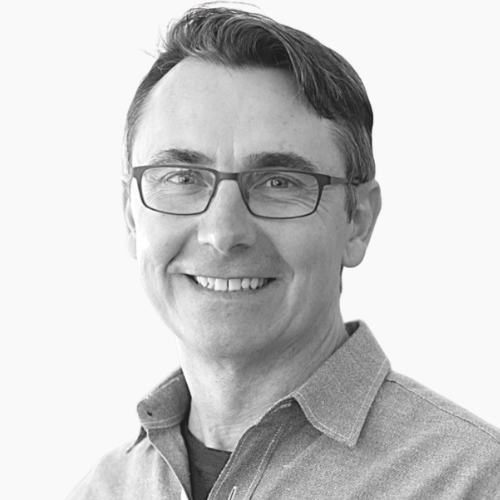
Interview with Domi Stickens
The field of treating muscle disorders is changing fast, so what are the most promising new approaches being developed right now? What are the gaps that current treatments aren't filling, and how can new ones help fix these problems?
There is a gap in treatments that go beyond just strengthening muscle, they also need to address cardiovascular, pulmonary and other issues that can affect people with these diseases throughout their lives. What's important is finding new therapies that are practical and that can make a real difference in how well muscles work. There needs to be a measurable impact on quality of life, not just evidence of a molecular correction. We're on the verge of an exciting time for new treatments. Advances in technology are making it easier to get oligonucleotide therapies to the muscles, which is a big deal. Gene therapy is still a crucial approach for diseases like DMD and some types of LGMDs. But each of these approaches has its own set of challenges. Small molecules are another area that shows a lot of promise but perhaps is still somewhat underexplored.
What changes have we seen in treating muscle disorders in the past year, and what's the future looking like for this field - are there new developments on the horizon or will things stay the same?
The last year has shown us how far we've come, but also how tough it is to turn exciting scientific discoveries into real benefits for patients. Just as we are seeing continued advances in delivery technologies there have been reminders that just because we can target a specific problem and fix it at a molecular level, it doesn't always mean that patients will actually experience a meaningful functional benefit. Looking forward we need a better understanding of how much molecular correction is required to change disease pathology, and the ability to identify patients that would most likely benefit. I would expect greater emphasis on translational biomarkers, patient stratification, and more robust functional endpoints.
What are some of the big issues you think you and your colleagues can tackle together at the Muscular Disorders Drug Development Summit to really move things forward in this area?
Translating what we learn in labs into real results for patients is a challenge. We're getting better at demonstrating that our treatments are hitting the right targets and fixing problems at a molecular level. But understanding and measuring how those changes actually make muscles work better remains difficult. We should shift our focus to translational biomarkers, better functional endpoints and how to make better use of natural history data to improve patent selection and trial design. I am hopeful that there will be more discussion on the idea that some of these diseases affect multiple systems in our body, like in DM1 for example. We need people from different areas and patient groups to work together if we want to make progress.
What parts of the conference are you excited about this January?
We have an exciting program lined up, and there are a lot of topics that I’m looking forward to learning more about. For example, there is a talk on using models and simulations to study Duchenne and moving past just focusing on dystrophin levels. I'm hoping to hear more talks that compare the efficacy from various new approaches and different modalities used to treat diseases, like stem cells, small molecules, and oligonucleotides and how they are being received in the clinic.
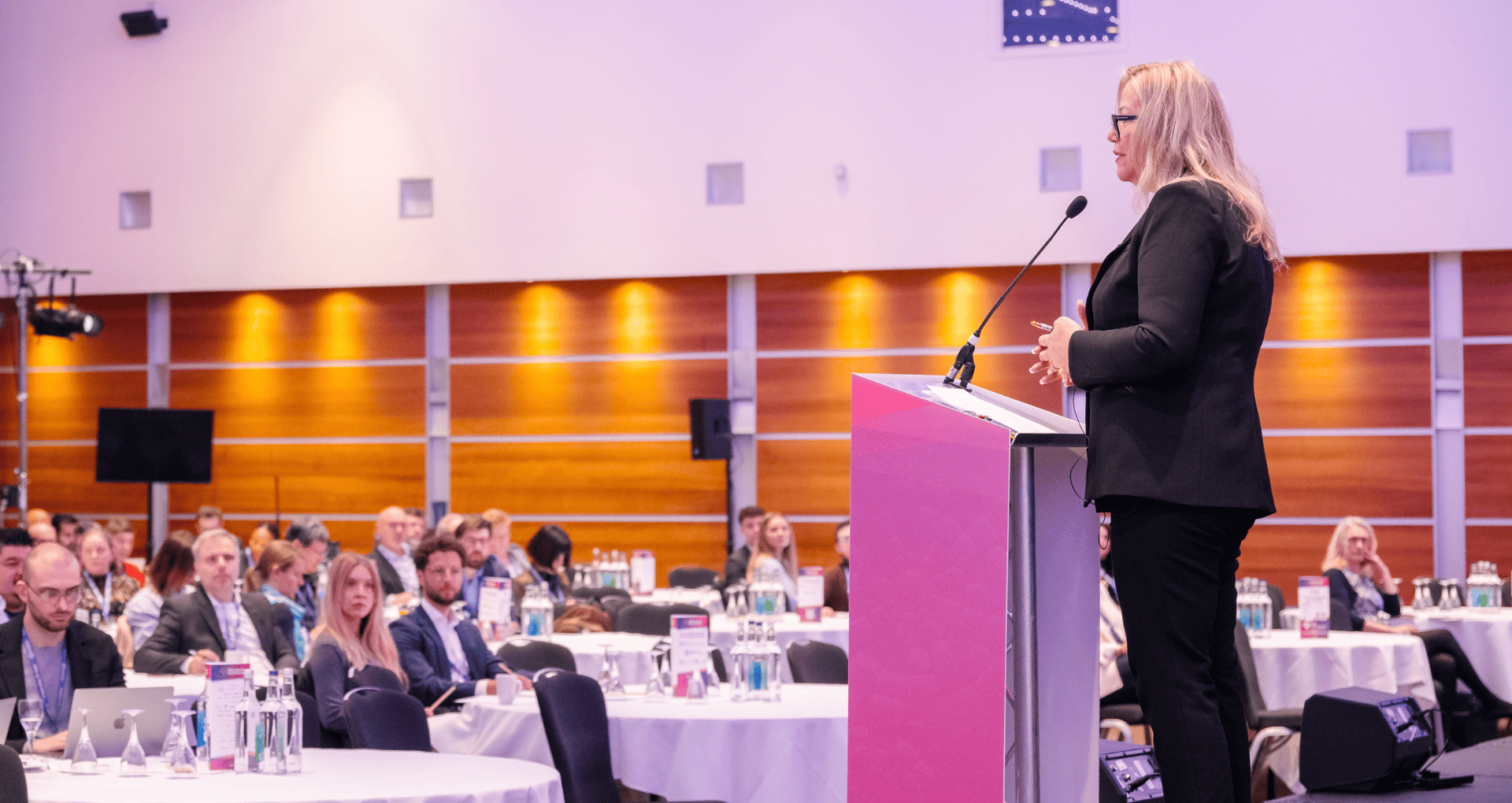
Explore the Agenda
Discover exactly how industry leaders are facing the most important development challenges – from targeted muscle delivery, patient pool selection and preclinical model translatability.
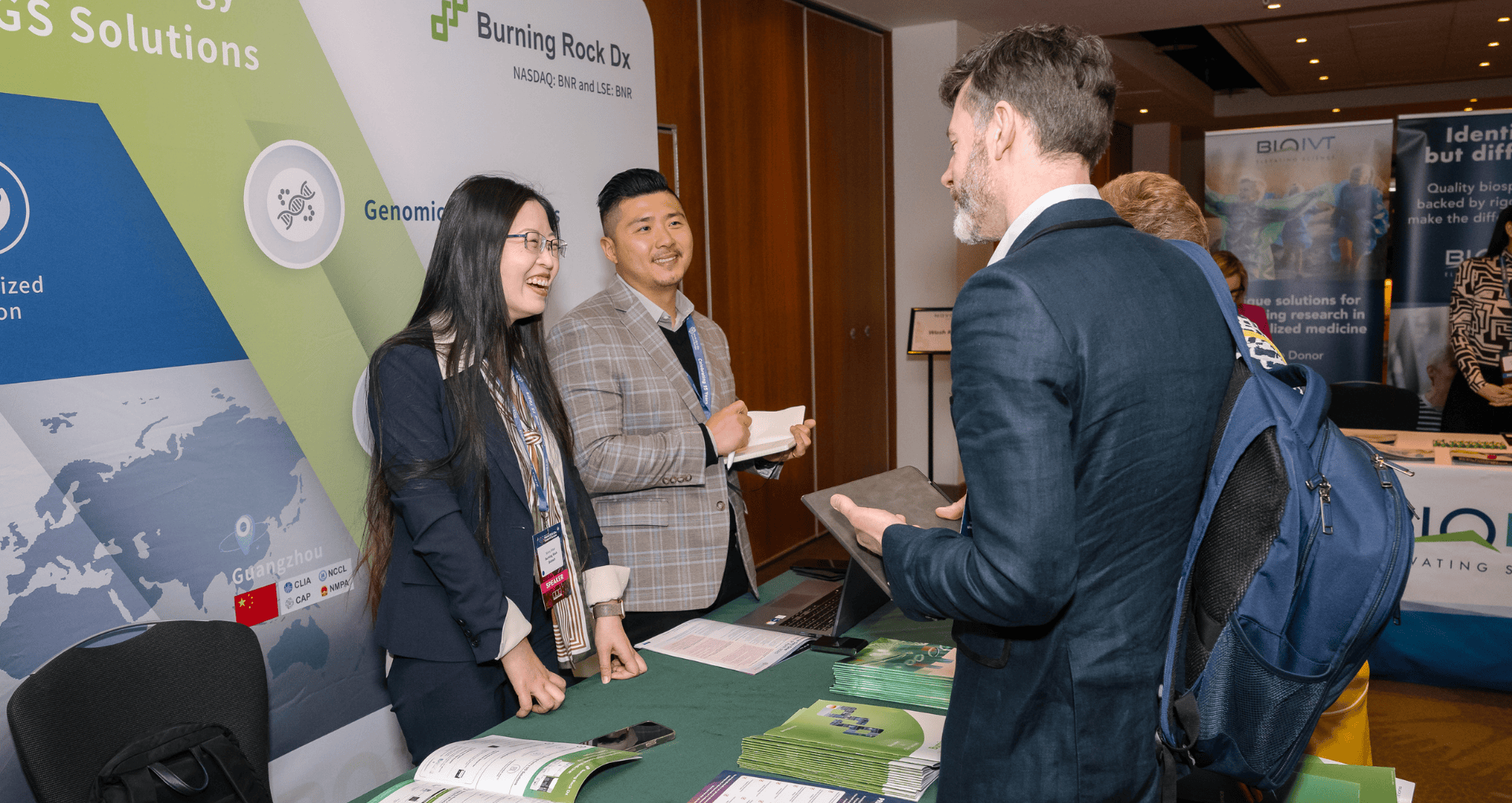
Partner With Us
Position your solutions in front of decision-makers actively looking to optimize their muscular disorder drug development, to become a trusted partner and build lasting relationships to support long term success.
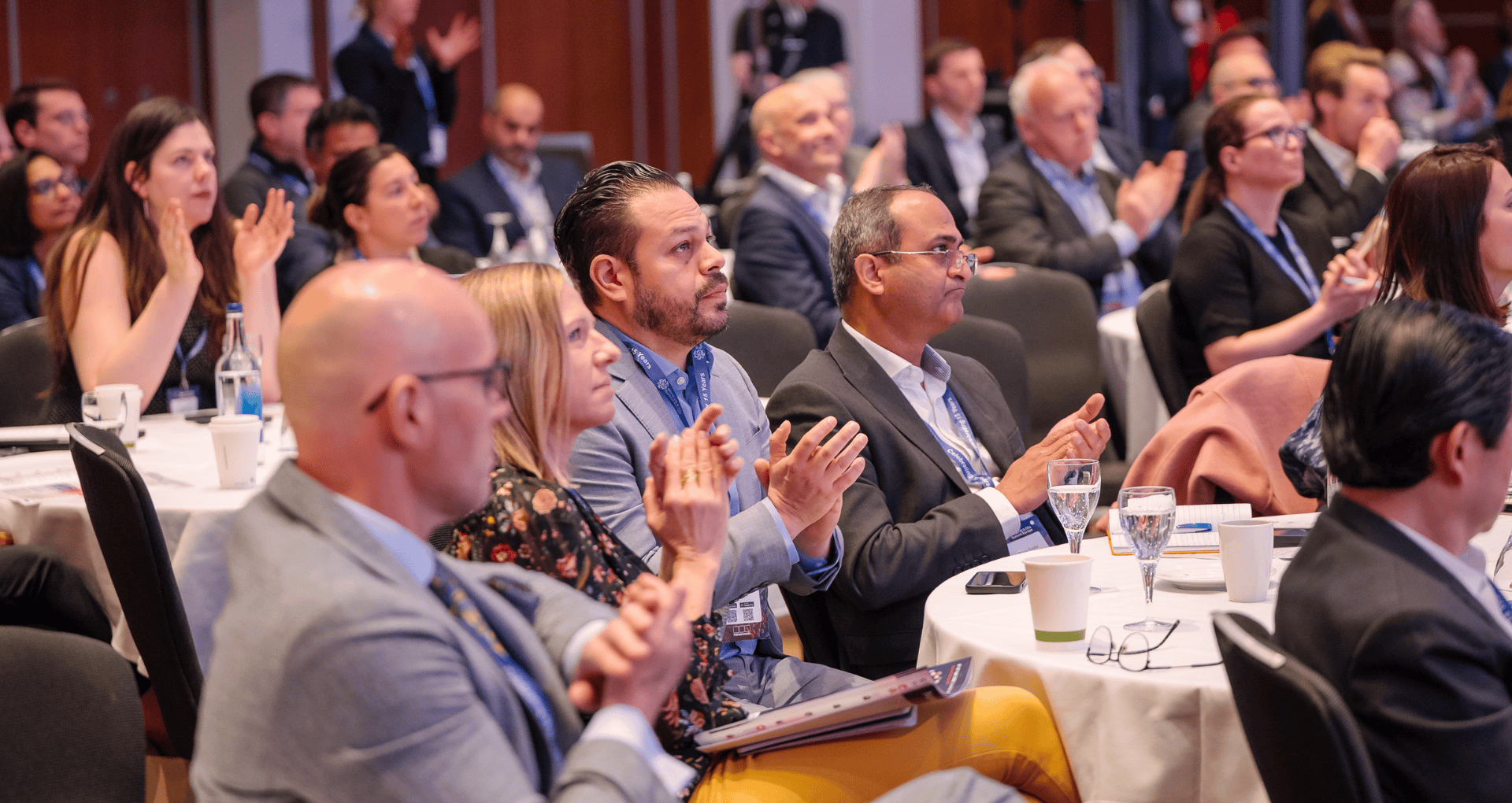
Join Biopharma Leaders
Connect with the Muscular Disorder community and be part of the hottest conversations with like-minded attendees and gain access to insights only shared in our innovative face-to face networking sessions.