
Meet the Speaker
Jiyeon Denninger is a Medical Director of Clinical Development at Sarepta Therapeutics, where she contributes to the development of innovative therapies for rare neuromuscular diseases. She brings a unique physician-scientist perspective, having earned her MD and PhD from the University of Connecticut and built her career around patient-focused research and drug development. Prior to joining Sarepta, Dr. Denninger conducted research in neuromuscular biology and translational medicine, including postdoctoral work at The Ohio State University, before transitioning into industry. Since joining Sarepta, she has supported the clinical advancement of genetic medicines aimed at addressing significant unmet needs for patients and families affected by rare diseases.

Interview with Jiyeon Denninger
As the muscular disorders therapeutic landscape continues to evolve, what do you believe are the most promising modalities currently in development? What unmet needs remain unaddressed by existing therapies that next-generation candidates could help fulfil?
Neuromuscular drug development is moving beyond symptom management toward disease-modifying and durable therapies. Promising modalities include RNA-targeted approaches with antisense oligonucleotides and siRNA, gene replacement and gene editing, exon-skipping strategies, and therapies designed to modulate downstream pathways such as muscle regeneration, fibrosis, inflammation, and metabolic dysfunction. For conditions with known genetic drivers, such as DM1, DMD, FSHD, and LGMD, these approaches offer the possibility of addressing the underlying genetic or molecular drivers of disease; however, important unmet needs remain. Existing and emerging therapies often benefit certain genetically defined subsets of patients, may have incomplete or heterogeneous effects across skeletal muscle, heart, respiratory muscle, and other affected tissues, and may be constrained by delivery, durability, immunogenicity, repeat-dosing requirements, or treatment feasibility in advanced disease. Best-in-class therapies should not only achieve greater and more consistent target engagement across affected tissues, but also translate molecular correction into outcomes that matter most to patients: those that sustain their independence and quality of life. Particularly important will be therapies that can treat patients across a broader range of ages, genotypes, and disease stages, address multisystem manifestations rather than a single aspect of disease, and ultimately intervene early enough to prevent irreversible muscle loss and disability rather than attempt to restore function after it has been lost.
How has the muscular disorder treatment landscape evolved over the last 12 months and where do you see it heading next?
Over the past 12 months, the muscular disorder treatment landscape has continued to shift from predominantly supportive care toward mechanism-based, disease-modifying therapies, while also becoming more sophisticated about what constitutes meaningful clinical benefit. Next-generation therapies, including RNA-based therapeutics and gene therapies, offer the potential to address neuromuscular diseases closer to their underlying molecular cause, with opportunities for greater target specificity, improved tissue delivery, and potentially more durable clinical benefit. At the same time, these modalities introduce important safety considerations. RNA-based approaches may be associated with dose- and chemistry-dependent toxicities, immune activation, and offtarget effects, while gene therapies can carry risks related to vector immunogenicity, hepatic toxicity, complement activation, and other systemic immune responses. For therapies with prolonged or potentially irreversible biological effects, such as gene replacement or gene editing, the ability to manage unexpected toxicity after treatment may also be limited. As these platforms evolve, achieving the right balance between potency, tissue exposure, durability, and safety, supported by appropriate patient selection and long-term monitoring, will be as important as demonstrating molecular and functional efficacy.
Looking ahead, I expect the field to move toward greater precision and breadth at the same time: therapies with more efficient and durable delivery to muscle and key organs, treatment earlier in the disease course before irreversible muscle loss occurs, and rational combinations that address both the primary genetic defect and downstream consequences such as fibrosis, inflammation and muscle degeneration. Just as importantly, success will increasingly be judged not only by biomarker or molecular correction, but by whether that correction translates into meaningful preservation of mobility, respiratory and cardiac function, independence and quality of life for patients across different ages and stages of disease.
Which specific challenges are you looking forward to addressing with colleagues at the Muscular Disorders Drug Development Summit to collaboratively advance the field?
One challenge I am particularly looking forward to addressing with colleagues at theMuscular Disorders Drug Development Summit is how we more reliably translate compelling biological activity into meaningful benefit for patients. This requires tackling several interconnected issues: improving targeted delivery and tissue exposure, understanding patient heterogeneity and disease progression, selecting sensitive biomarkers and endpoints, and defining what constitutes a clinically meaningful change rather than relying on statistical significance alone. I am also eager to discuss how natural history, digital measures and patient-reported outcomes can be integrated into trial design to reduce uncertainty and patient burden, while creating regulatory strategies that allow promising therapies to reach patients sooner. These are challenges that span the neuromuscular disease spectrum and will benefit greatly from shared learning across diseases, modalities and development programs.
Which sessions in the agenda are you most looking forward to at the conference this January?
I’m looking forward to the sessions focused on novel biomarkers and endpoints to strengthen trial design as well as overcoming complexities of clinical trial design for rare muscular disorders. I’m also excited about the sessions on patient multisystem manifestations, as these are critical issues in diseases such as DM1, where meaningful benefit extends beyond skeletal muscle function to fatigue, mobility, cardiac and respiratory health, and overall quality of life. Finally, the opportunity to discuss challenges across different diseases and therapeutic modalities in the round tables, which should provide valuable lessons that can be applied broadly across neuromuscular drug development.
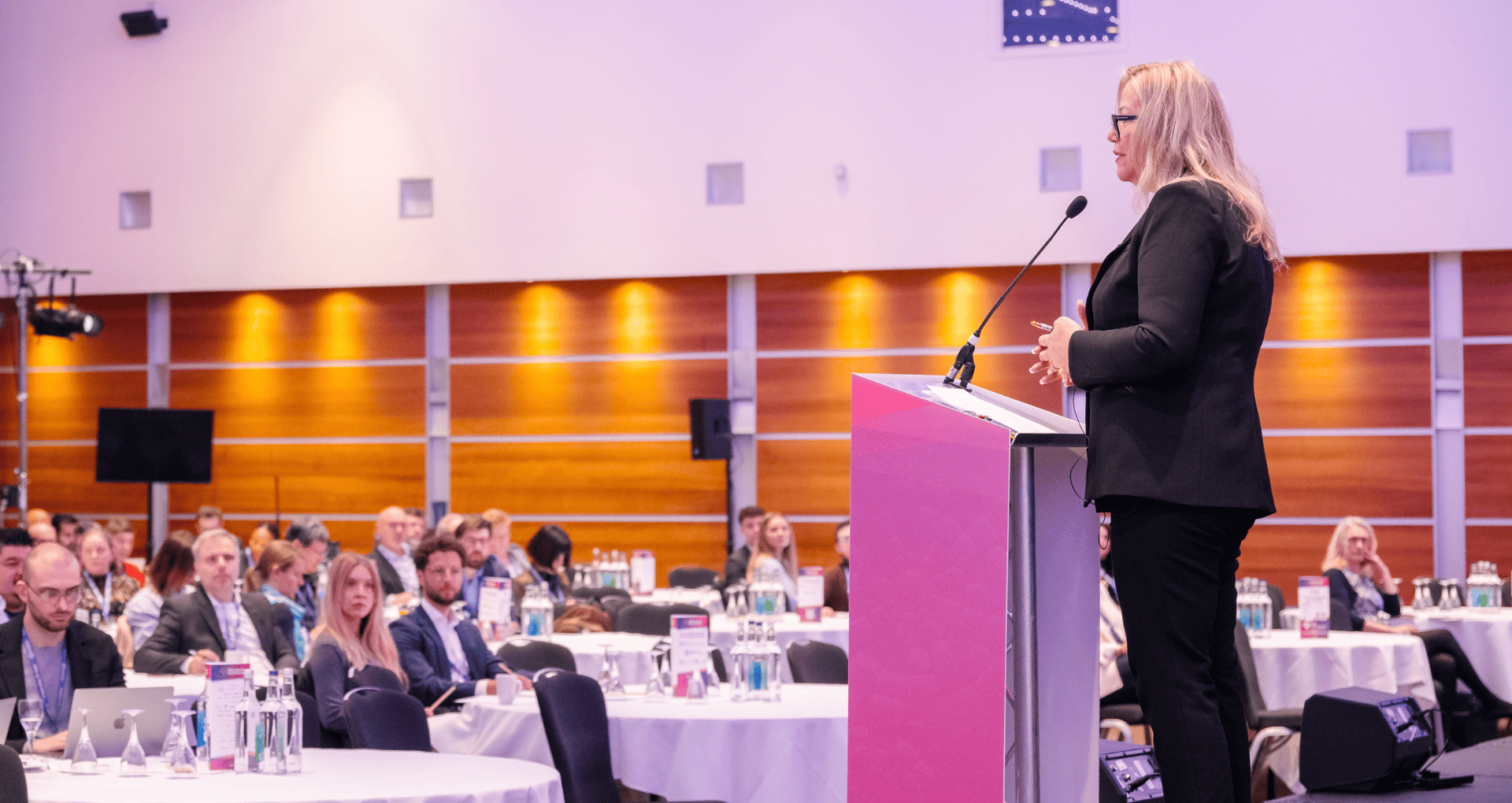
Explore the Agenda
Discover exactly how industry leaders are facing the most important development challenges – from targeted muscle delivery, patient pool selection and preclinical model translatability.
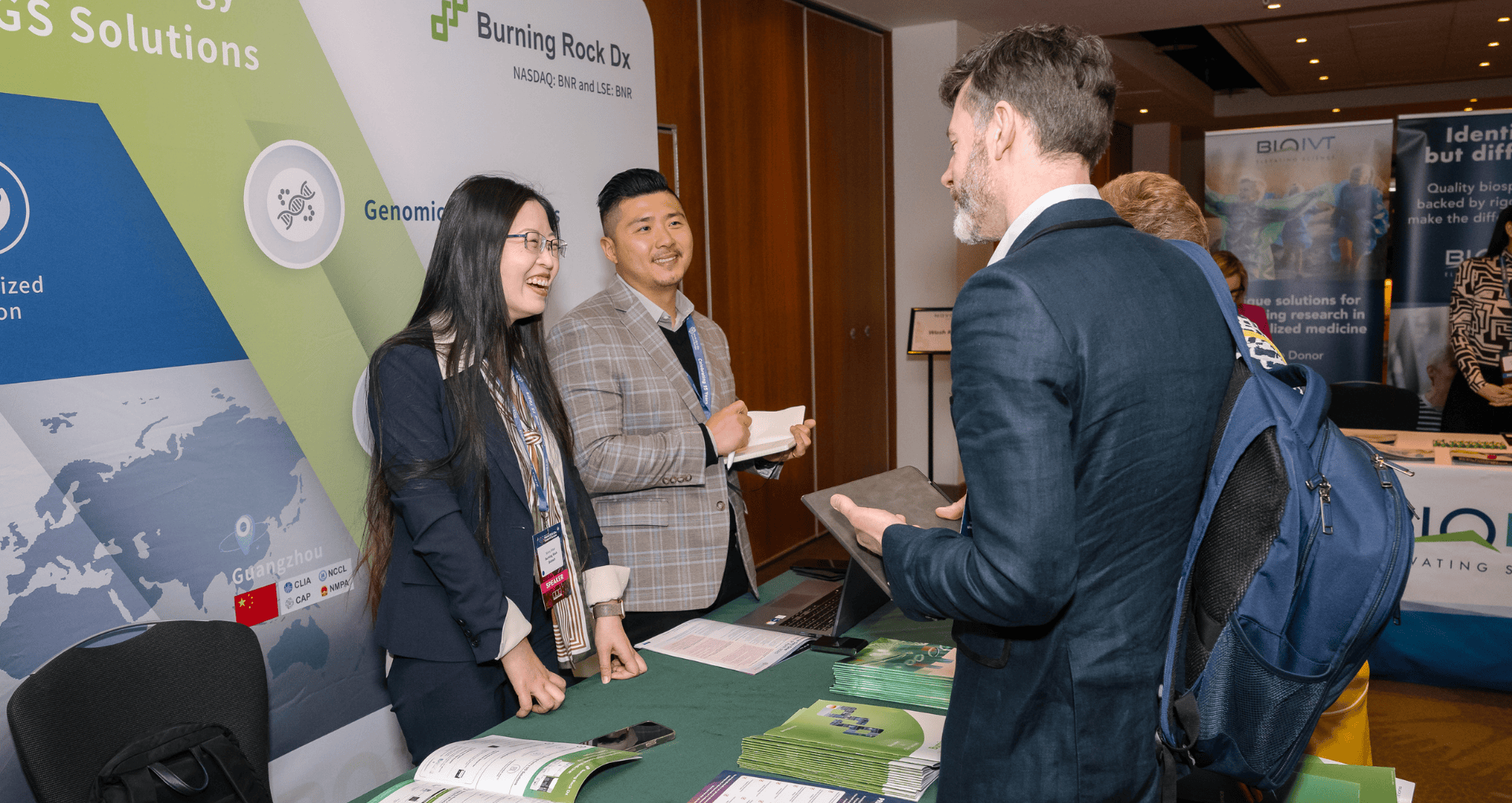
Partner With Us
Position your solutions in front of decision-makers actively looking to optimize their muscular disorder drug development, to become a trusted partner and build lasting relationships to support long term success.
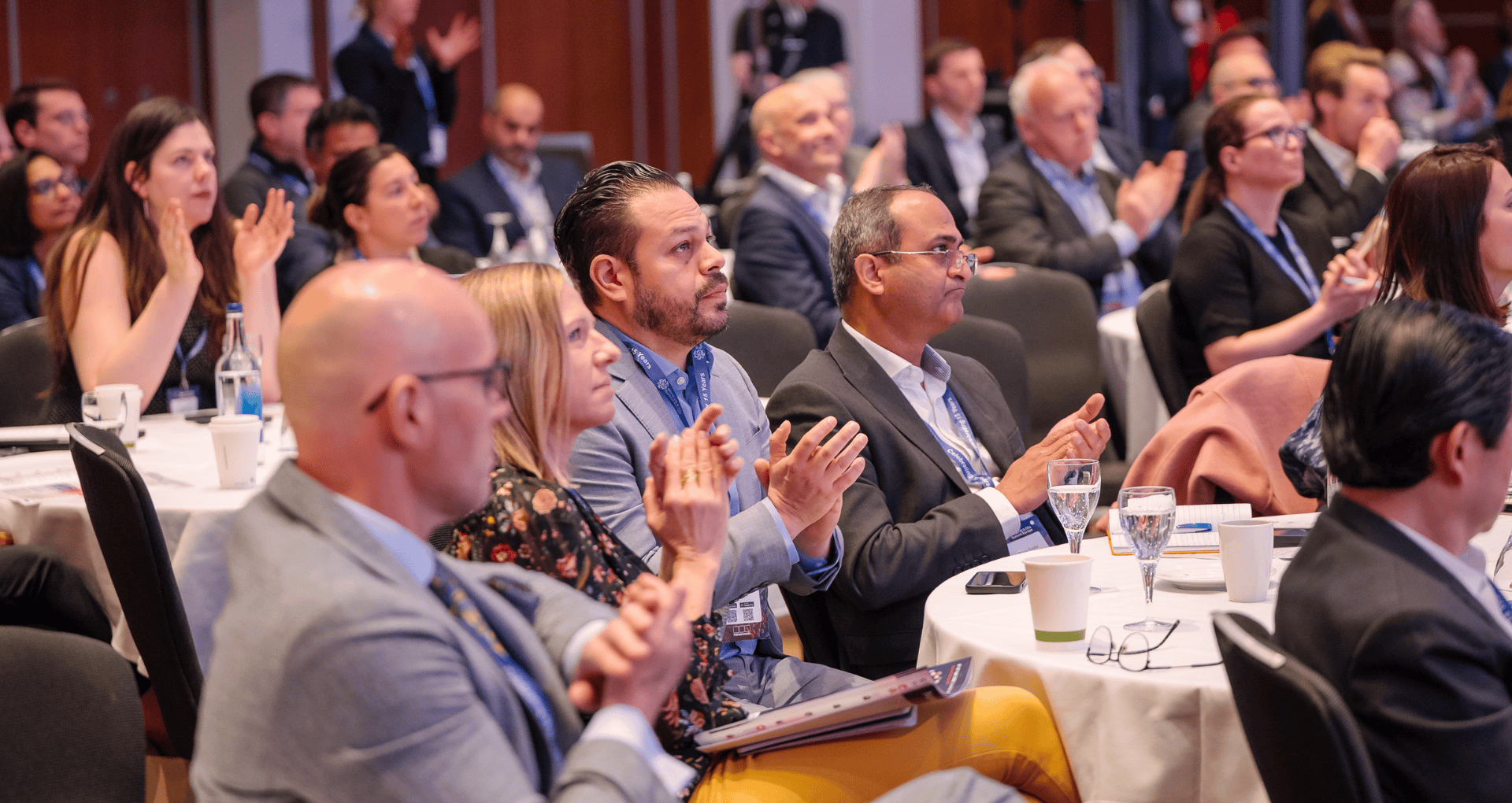
Join Biopharma Leaders
Connect with the Muscular Disorder community and be part of the hottest conversations with like-minded attendees and gain access to insights only shared in our innovative face-to face networking sessions.